



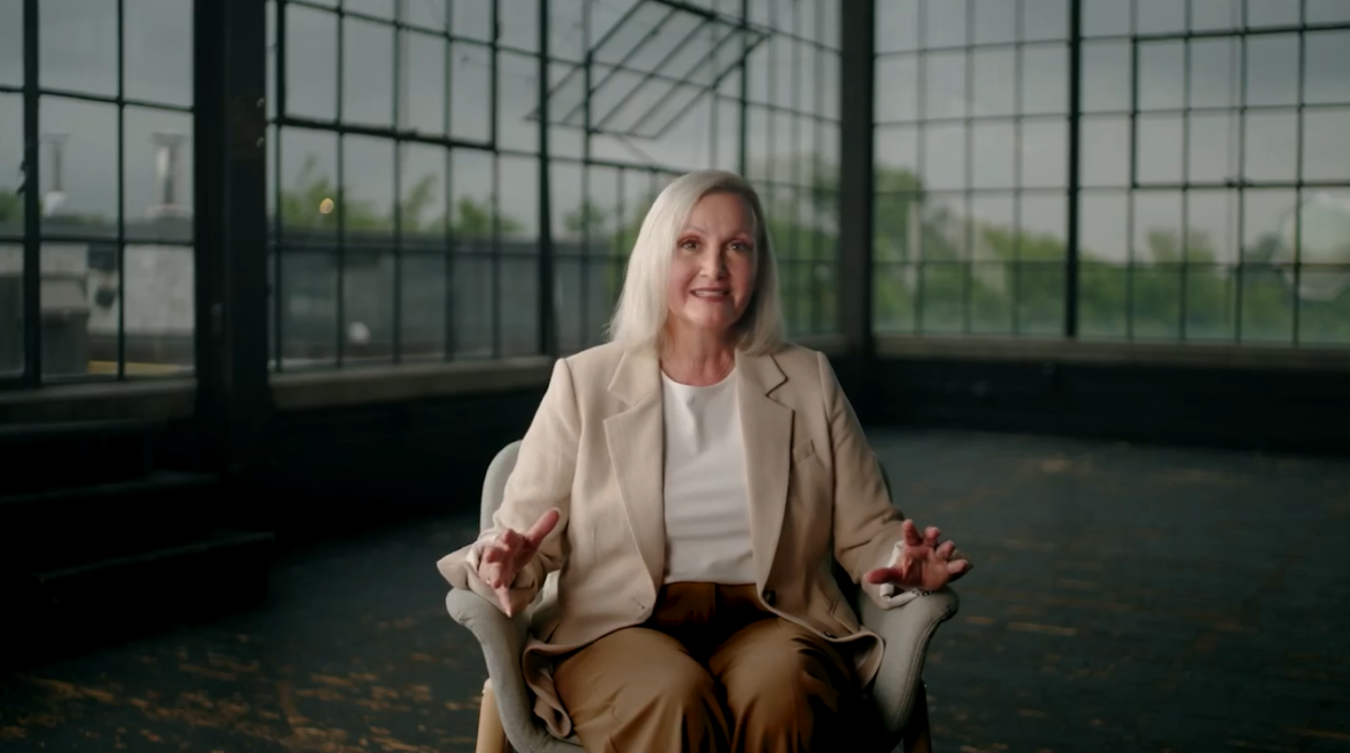






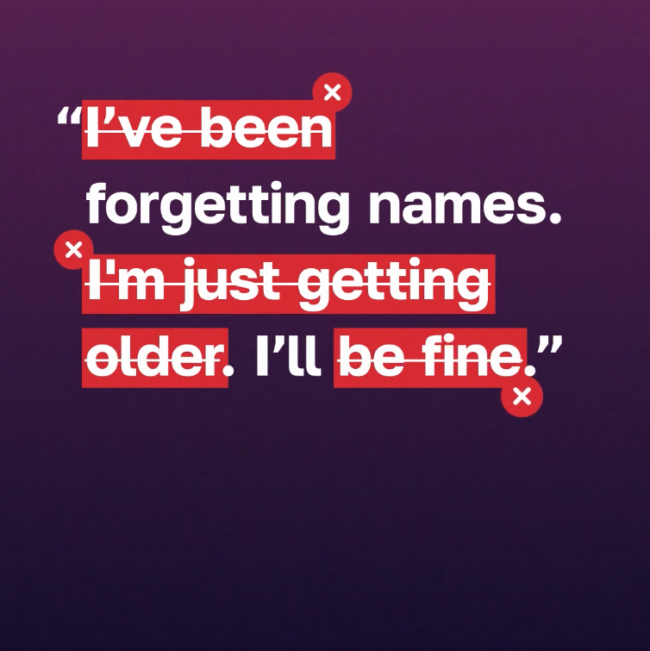
Noticing is the first small step. Talking about it is the next.
Changes in memory, thinking, or mood don’t always mean dementia and some causes may be temporary or treatable. But when changes happen more often, they’re worth paying attention to. Starting the conversation can help you understand what’s happening and get the right care and support.
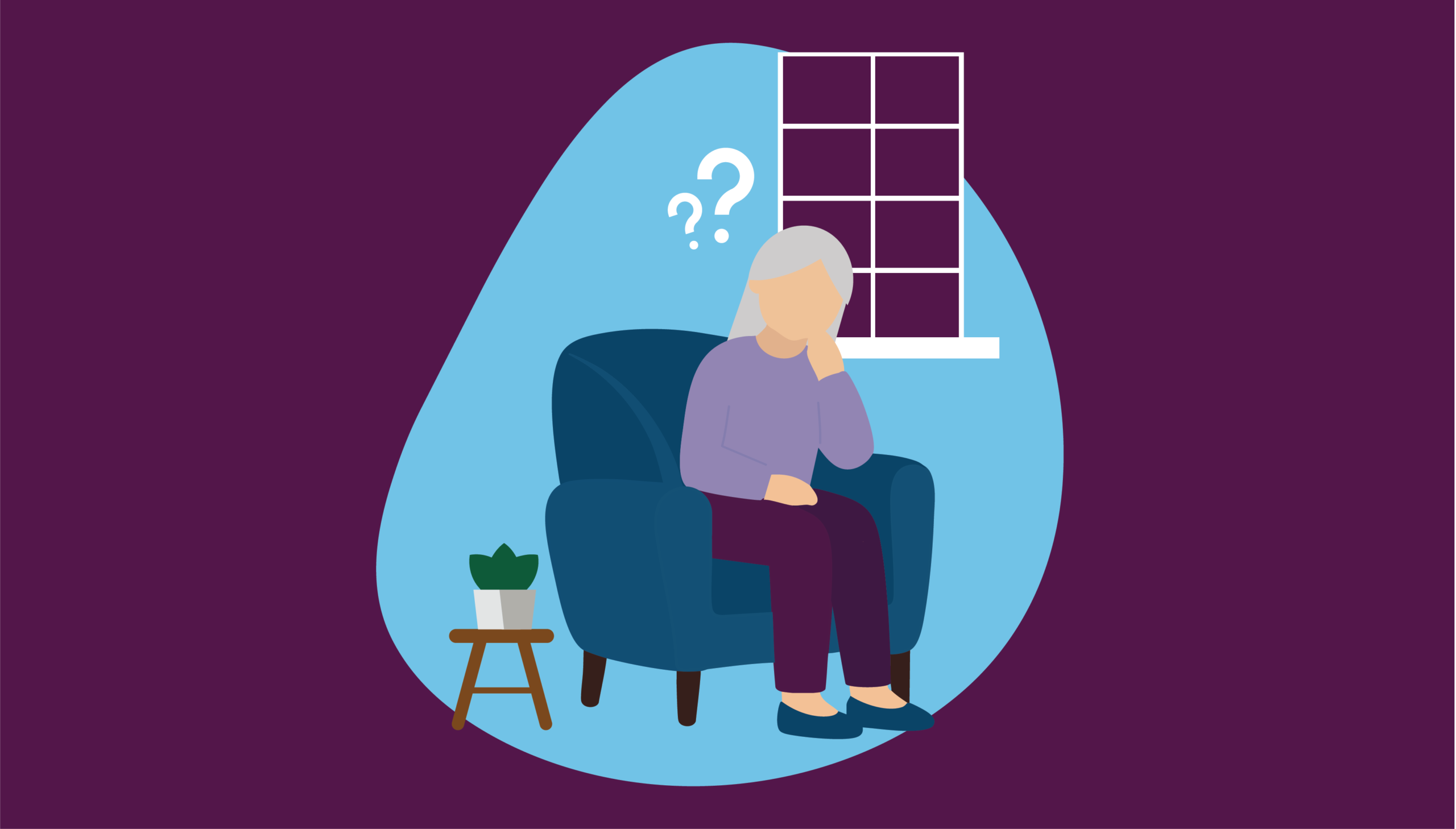
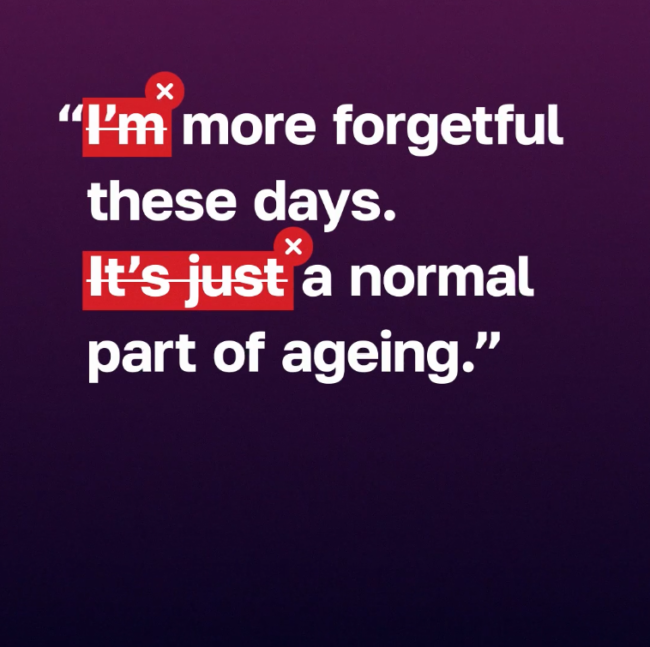
Noticing changes in your memory?
Forgetting names or misplacing things can happen to anyone, but not all memory loss is a normal part of ageing. Learn what changes to look for, what you can do next and what to expect when you speak with a health care provider.
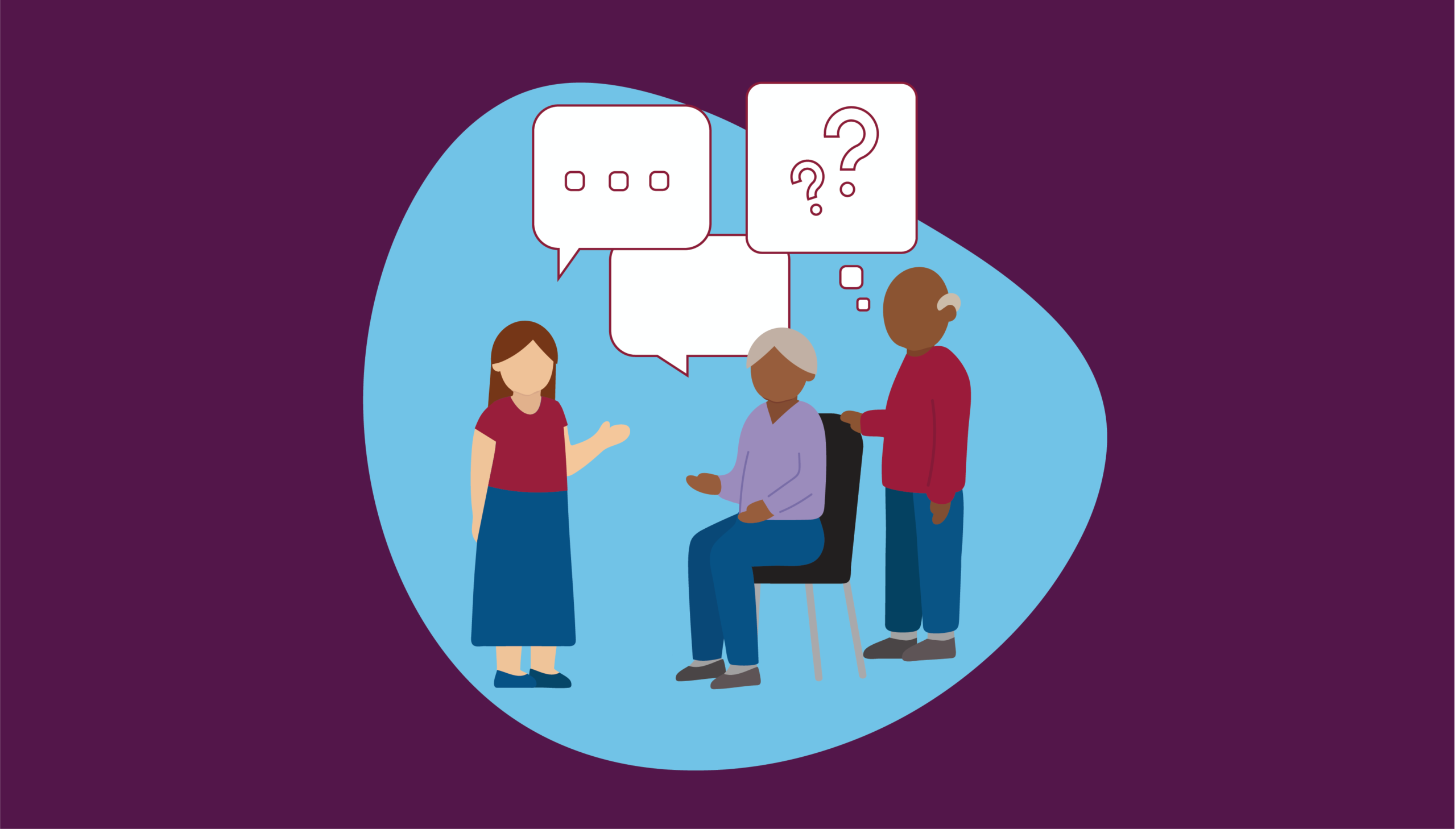
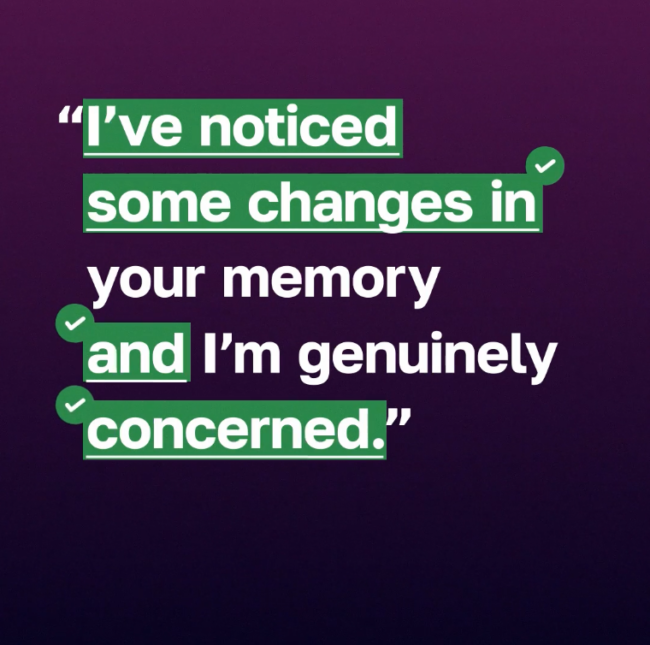
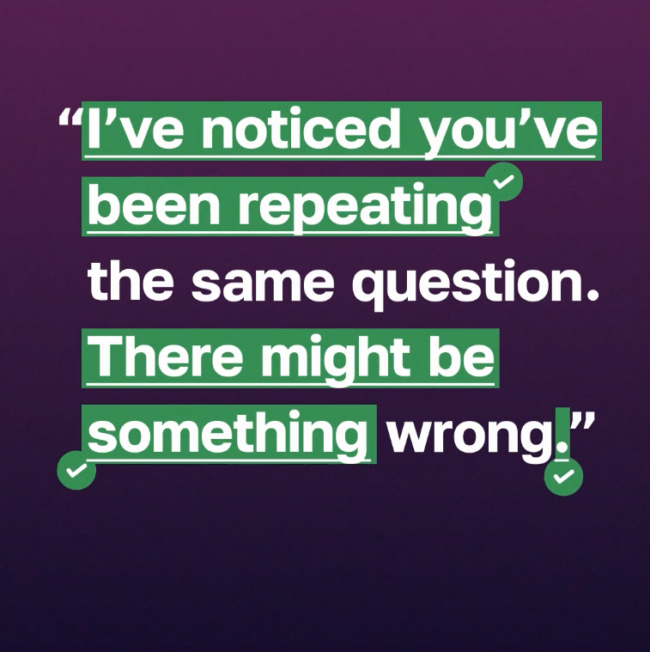
Worried about someone’s else’s memory?
Maybe someone you care about is repeating questions, struggling with familiar routines, withdrawing socially or behaving differently. You may be worried about upsetting them or saying the wrong thing. Our conversation guide can help.
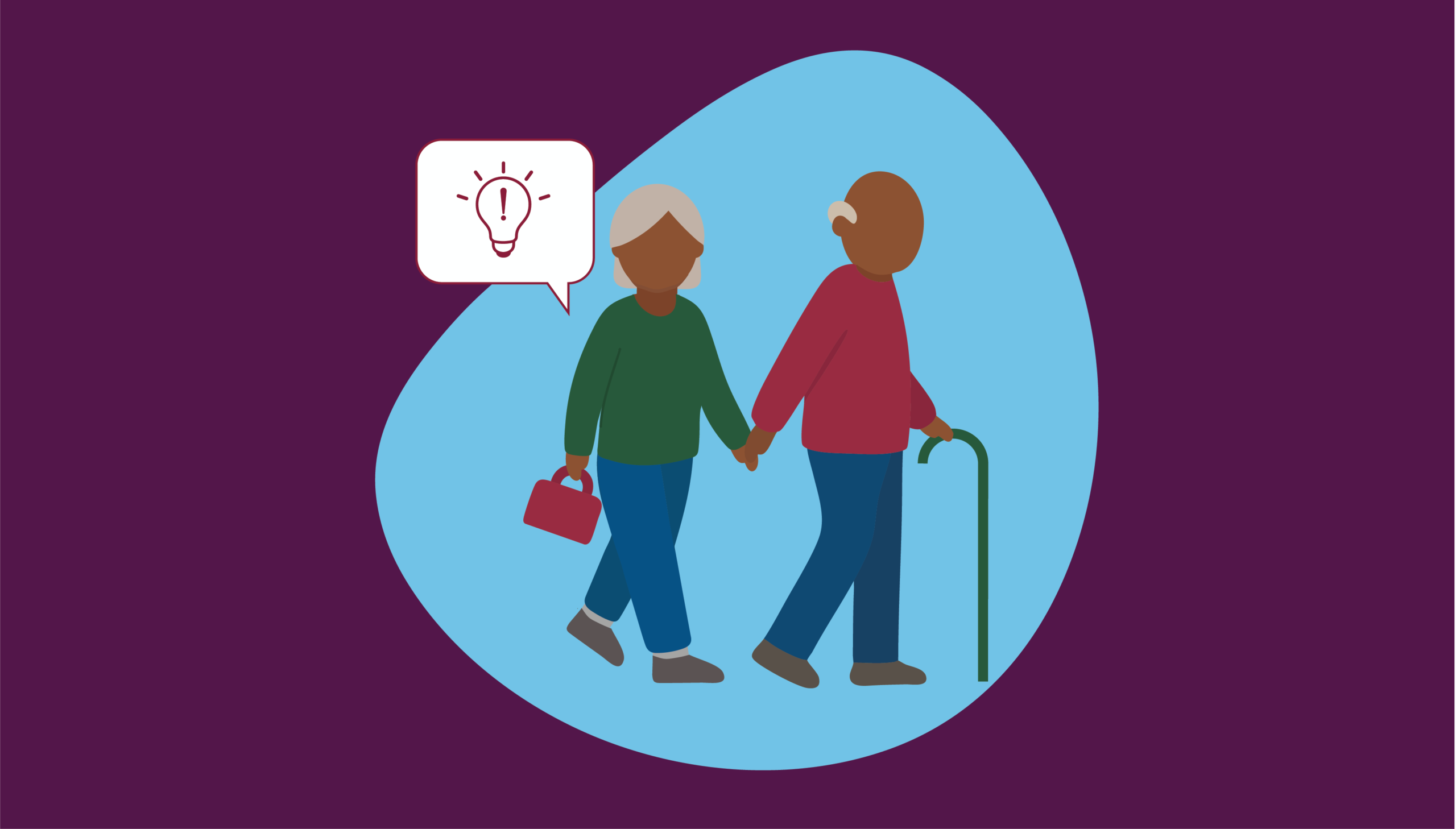
Looking to better manage memory problems?
Small daily habits can help support a person’s memory and keep them independent longer. Learn about the differences between normal age-related memory loss, MCI and dementia, as well as practical strategies for managing memory concerns.

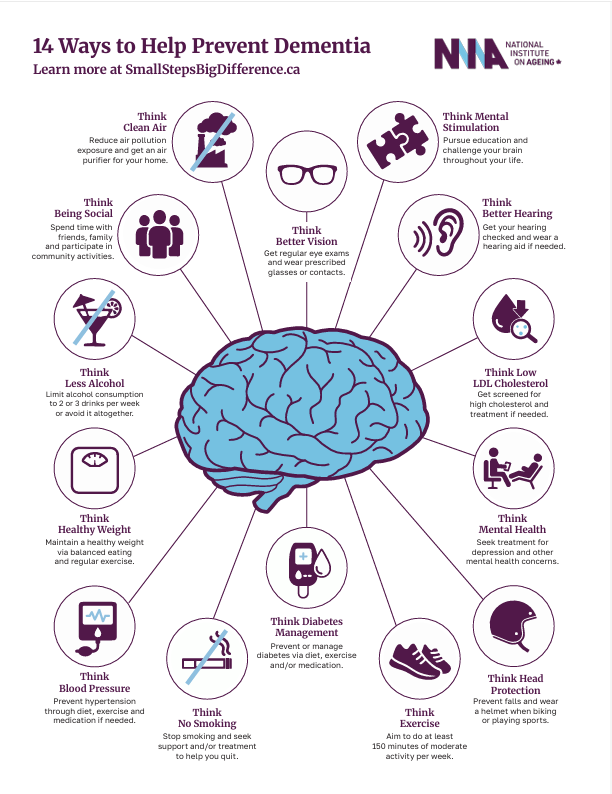
14 Ways to Help Prevent or Delay Dementia
Yes—there are things you can do.
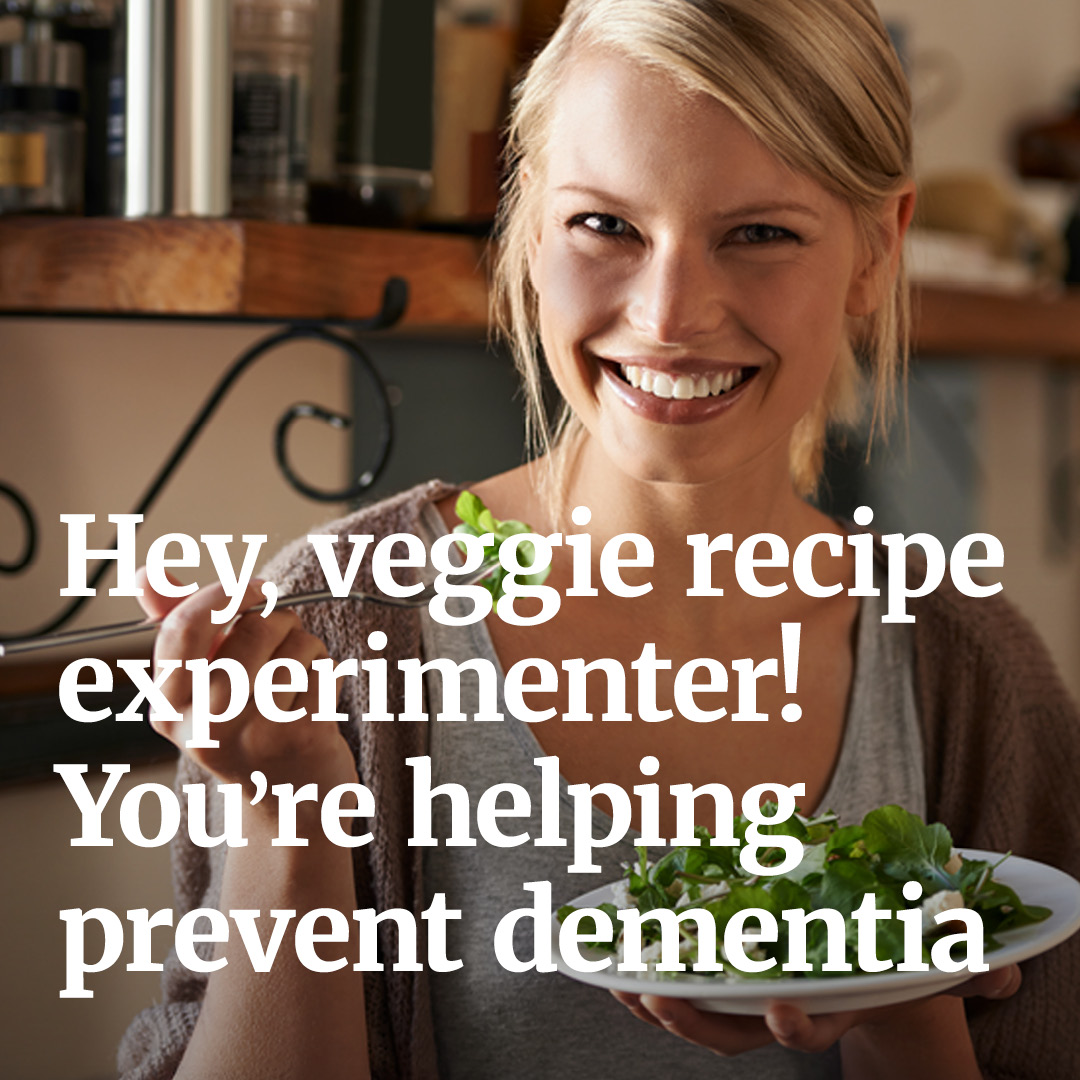
According to the 2024 Lancet Commission, up to 45% of dementia cases around the world could be prevented or delayed by making healthy changes to things in our lives that we can control, like staying active, better managing certain health conditions, and staying socially connected. That’s good news—and it means the healthy choices we make earlier in life really matter.

Think Better Vision
Think Better Vision
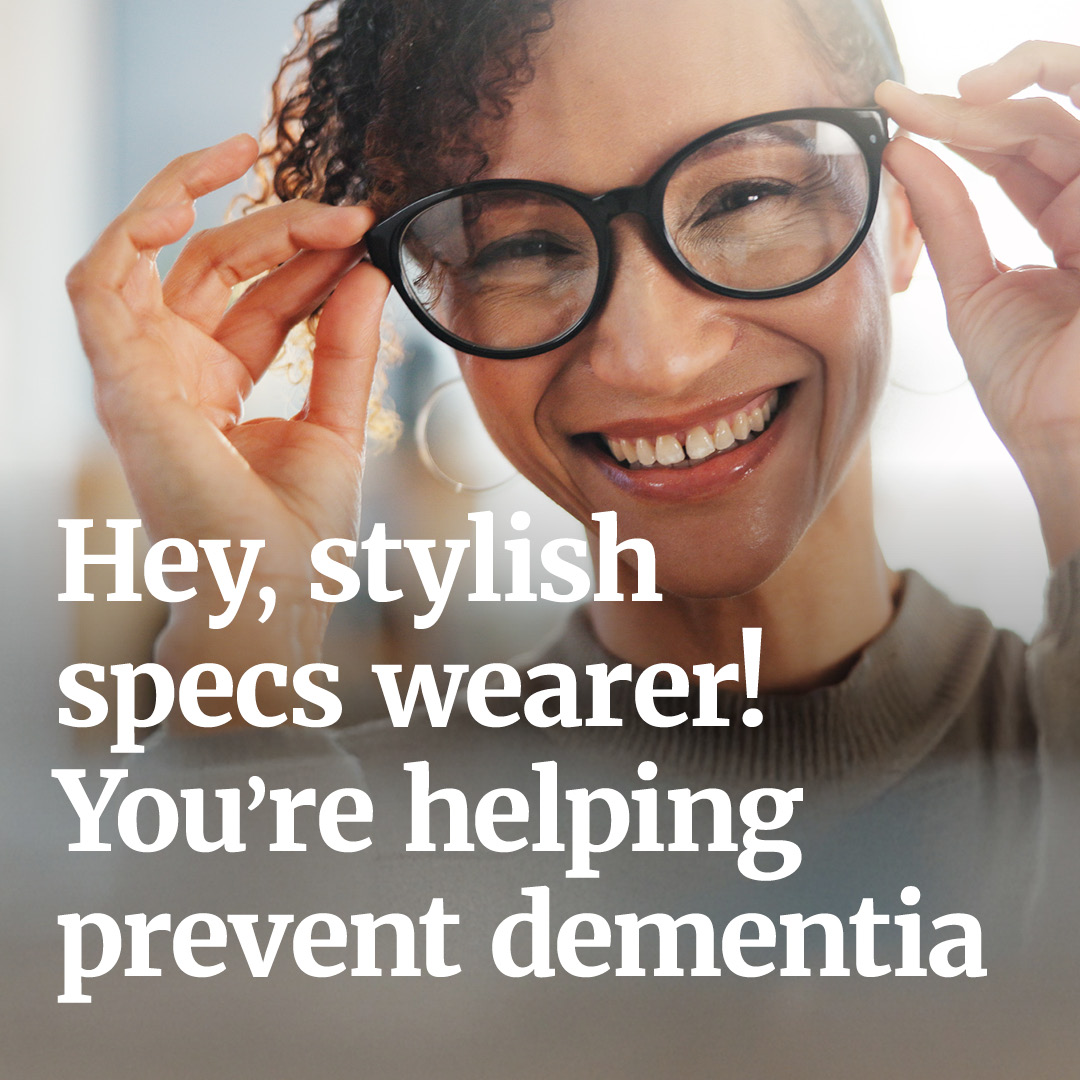
Get regular eye exams and wear prescribed glasses or contacts.

Think Mental Stimulation
Think Mental Stimulation
Ensure quality education for all—and keep challenging your brain with learning and stimulating activities at every age.

Think Better Hearing
Think Better Hearing
Get your hearing checked, use a hearing aid if needed and reduce harmful noise exposure to protect your hearing and brain health.

Think Low LDL Cholesterol
Think Low LDL Cholesterol
Get screened for high LDL cholesterol from midlife and treat it if needed to protect your heart and brain health.

Think Mental Health
Think Mental Health
Seek effective treatment for depression and other mental health concerns to protect your wellbeing and brain health.

Think Head Protection
Think Head Protection
Prevent falls and wear a helmet when biking, playing sports or in any activity with a risk of head injury.

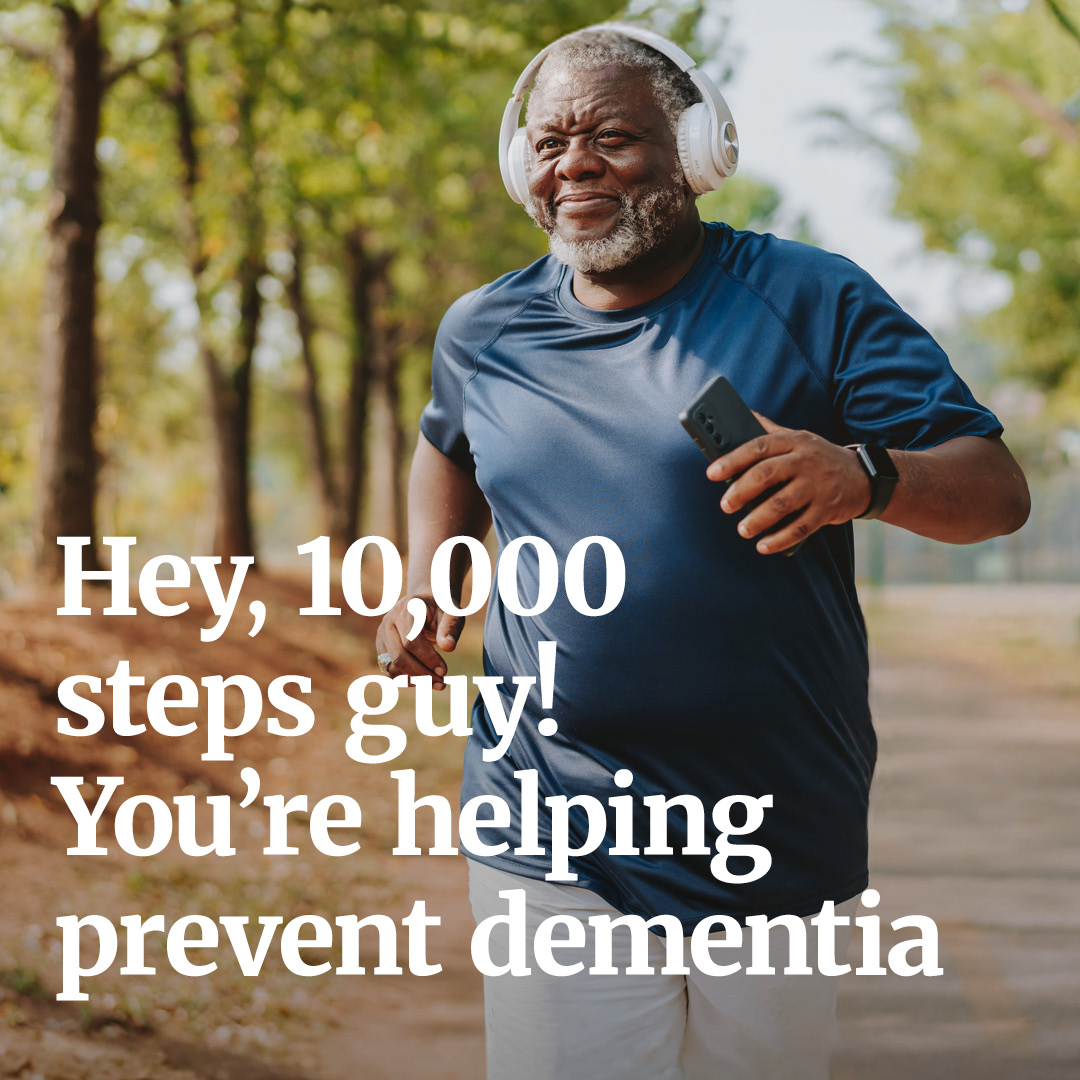
Think Exercise
Think Exercise
Aim for at least 150 minutes of moderate activity each week by staying active through exercise, sports and movement you enjoy.

Think Diabetes Management
Think Diabetes Management
Prevent or manage diabetes via diet, exercise and/or medication.

Think No Smoking
Think No Smoking
Stop smoking and seek support and/or treatment to help you quit.

Think Blood Pressure
Think Blood Pressure
Prevent or reduce hypertension through healthy eating, regular exercise and medication if needed, aiming to keep systolic blood pressure.

Think Healthy Weight
Think Healthy Weight
Maintain a healthy weight through balanced eating and regular exercise and address obesity as early as possible to protect your long-term health.

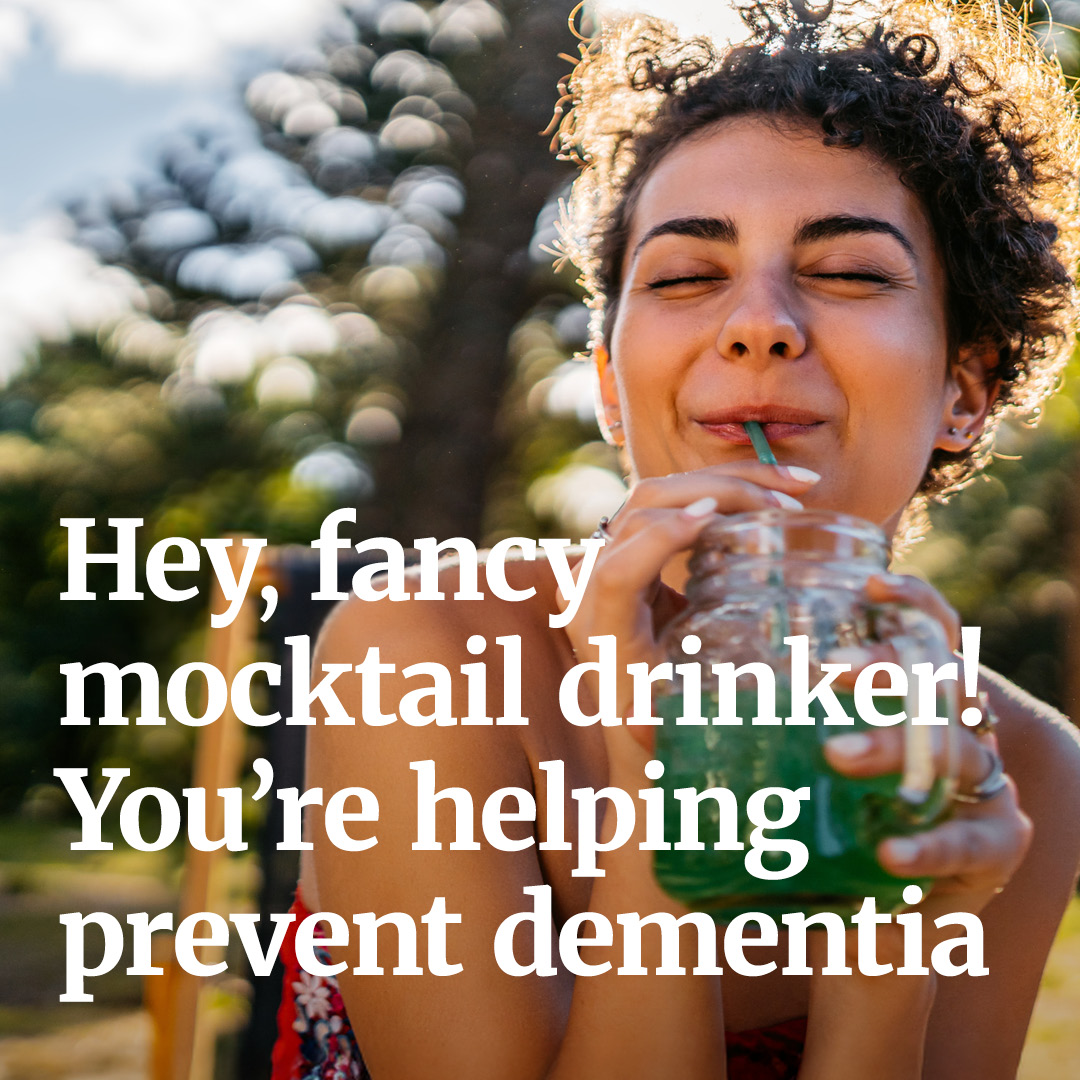
Think Less Alcohol
Think Less Alcohol
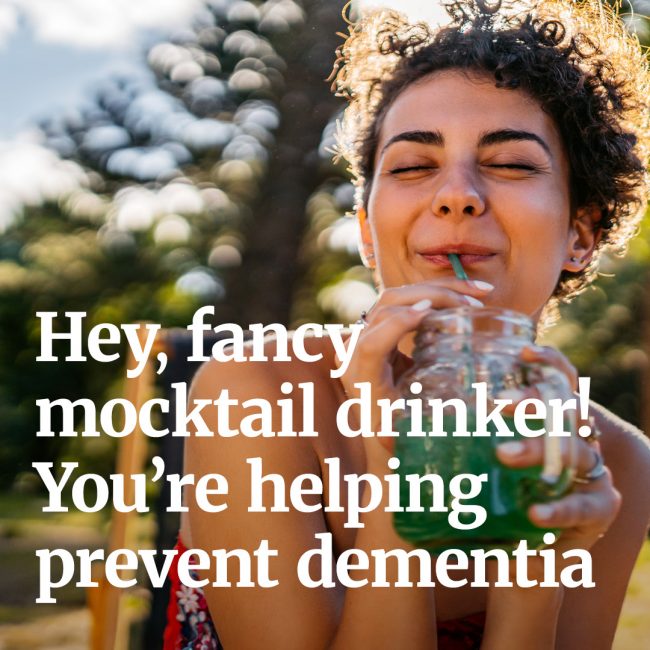
Limit alcohol consumption to 2 or 3 drinks per week or avoid it altogether.

Think Being Social
Think Being Social
Spend time with friends, family and participate in community activities.

Think Clean Air
Think Clean Air
Reduce air pollution exposure and get an air purifier for your home.










Frequently Asked
Questions about Dementia
Dementia is an umbrella term used to describe symptoms impacting a person’s brain function due to neurodegenerative and vascular diseases or injuries. Dementia symptoms can include a decline in cognitive abilities, including memory, as well as changes in mood and behaviour that can increasingly interfere with the ability to perform one’s daily activities over time.
No—dementia is not a normal or inevitable part of ageing. While getting older increases risk, dementia results from specific diseases and injuries that damage brain cells. According to the 2024 Lancet Commission, nearly half of dementia cases could be prevented or delayed by addressing modifiable risk factors, even for people with a higher genetic risk.
“I know people with dementia who are working. It’s not what you think it is.” – Dave C
Dementia arises from neurodegenerative and vascular diseases or injuries, such as Alzheimer’s disease, vascular dementia, Lewy body dementia, or frontotemporal dementia, strokes and traumatic brain injuries. Risk factors include non-modifiable elements (e.g. age, genetics) and several modifiable factors such as smoking, obesity, hearing and vision loss, high blood pressure, diabetes, cognitive inactivity, depression and traumatic brain injury.
While there’s no cure yet, research shows nearly half of dementia cases could be prevented or delayed by addressing modifiable lifestyle and health factors, such as maintaining cardiovascular health, staying active, protecting hearing, reducing diabetes risk and staying mentally and socially engaged.
Yes. While most people diagnosed with dementia are over 65, early-onset dementia can begin before age 65. Dave was diagnosed in his 50s. He’s now focused on brain health, exercise and advocacy.
“Some people are scared to face it—but strangely, I was having the time of my life. I became more social.” – Dave C
Stigma can lead to delayed diagnosis and treatment, isolation, shame, and lower self-worth. Public attitudes—like assuming a person with dementia can’t continue to make meaningful contributions—can also undermine community inclusion and discourage people from seeking help.
“People living with dementia; they deserve dignity, autonomy, they’re still the captains of that ship.” – Jessica
Dementia-specific programs and services, support groups and online communities can help. Caregivers often need specific supports and spaces where they can be honest about what they are experiencing and feel understood.
If you are a caregiver of a person living with dementia who needs support, visit https://alzheimer.ca/en/help-support/programs-services/find-support for help.
“You need people you can really let it out to. Support is everything.” – Kristin
No. Dementia is a neurological condition, not a psychiatric disorder. However, the stigma around dementia is often rooted in misunderstandings and outdated ideas.
“People still whisper about the ‘crazy old person.’ We need to change that.” – Dave R (caregiver)
Warning signs can include difficulty remembering recent events, struggling with familiar tasks, getting lost, experiencing language issues and changes in personality, mood, and behaviour. But dementia affects everyone differently. If you or someone you know is worried about having dementia, seek the help of a healthcare professional.
- Stay physically active
- Eat a healthy diet
- Avoid smoking and drinking excessive alcohol
- Stay socially connected
- Keep learning new things
- Manage conditions like diabetes and high blood pressure.
- Address Depression
- Get your hearing and vision checked and treat any issues
“I lift weights, I swim, I write. It helps my brain. It helps my spirit.” – Dave C
Start with compassion. Learn about dementia. Don’t pull away—lean in. Ask questions. And know that there is support. If you or someone you know has been recently diagnosed, visit Alzheimer Society of Canada for more information.
“My mom looked at me one day and asked, ‘Where is Terri?’ I drove around with her until she remembered. That was love.” – Terri
The Alzheimer Society of Canada estimates that as many as 772,000 people of all ages in Canada may be living with dementia right now. As the population gets older, that number is expected to rise sharply, reaching nearly 1.7 million by 2050. By then, almost 1 million caregivers may be needed to support them. While dementia mostly affects older adults, it touches many people’s lives. In fact, a 2024 survey found that 74% of Canadian adults said they know someone who has or had dementia.
Yes! Even though more people in Canada are living with dementia because our population is ageing, the rate at which people are being newly diagnosed each year (adjusted for age) has actually gone down over the past 20 years. The total number of people living with dementia (also adjusted for age) has also been going down in recent years. This shows that efforts to reduce risk—like promoting brain-healthy lifestyles—can make a real difference.
The earlier, the better.
The Lancet Commission highlights that brain health is influenced across our entire lives—from childhood to late life. Risk factors accumulate over time, so taking action in your 30s, 40s and 50s—or even earlier—and later can make a significant difference.
While dementia most often affects people over 65, nearly half of these cases could be delayed or prevented by targeting modifiable risk factors such as: hearing loss (especially in midlife), high blood pressure, physical inactivity, diabetes, smoking, depression, low social contact, excessive alcohol use, air pollution and traumatic brain injury.
Midlife (ages 40–65) is a particularly important window, but it’s never too early—or too late—to start taking action. Building healthy habits throughout your life supports better brain health as you age.
Resources
14 Ways to Help Prevent Dementia
- Alzheimer Society of Canada
- Baycrest Defy Dementia Podcast and Resources
- CAMH Dementia: Resources & References
- Public Health Agency of Canada Dementia Awareness Resources Tool Kit
- McMaster Optimal Aging Portal
- Baycrest Online Hearing Screening Tool
- Young Caregiver Resources
- National Resource Centre on 2SLGBTQI Aging
About the Campaign
Small steps can make a big difference.
Small Steps, Big Difference is a public education campaign from the National Institute on Ageing that helps Canadians take practical steps to support their brain health and better understand changes in memory and thinking.
This year, we’re encouraging Canadians to do something that can be difficult but important: start the conversation about memory concerns.
Whether you’re noticing changes in yourself or someone you care about, you don’t need to diagnose the problem or have all the answers. Paying attention, talking openly and connecting with a health care provider can help provide greater clarity and access to support sooner.
The campaign also continues to help Canadians understand the actions we can take throughout our lives to support brain health and help reduce the risk of dementia. Supported by the Slaight Family Foundation, Small Steps, Big Difference brings together research, practical resources and the experiences of people affected by dementia to help Canadians take action.

Slaight Dementia Initiative Partners